
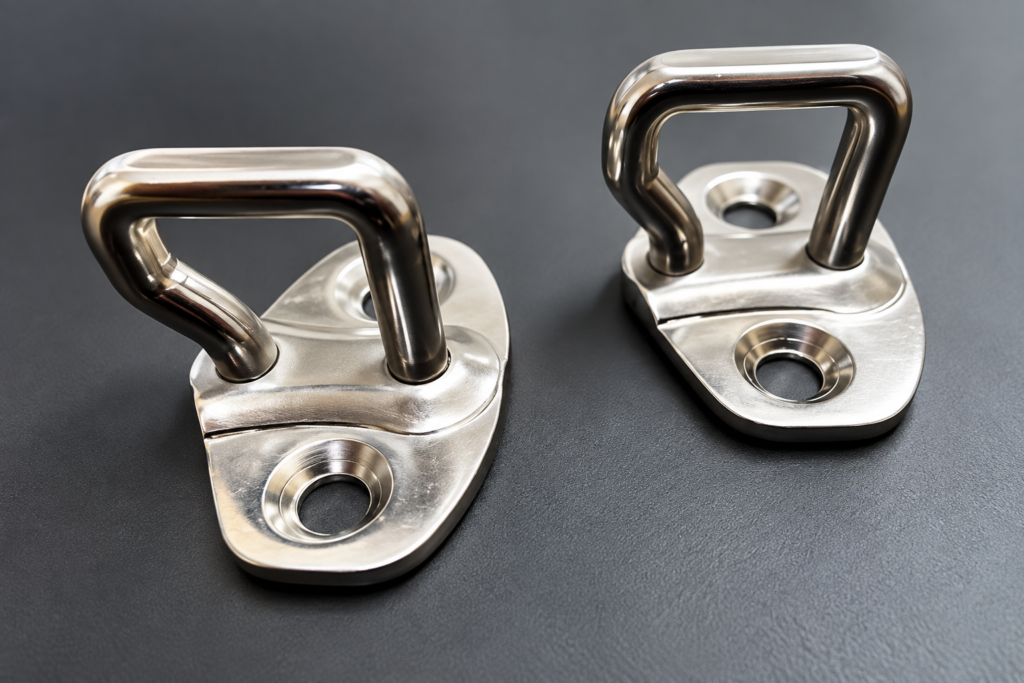
Acid Zinc Plating Bhiwadi becomes a real question the moment a fastener manufacturer outgrows whatever finishing capacity they already have. Buy a plating line and that capital sits there for years, tied up in equipment. Send the work out instead and the decision changes completely, but only if whoever takes the job actually understands fasteners rather than running every part the same way.
Most manufacturers looking into this for the first time get stuck on vague terms like job work without knowing how pricing, turnaround, or quality actually get decided once parts leave the building. That uncertainty alone stalls a lot of production timelines.
Acid Zinc Plating Bhiwadi solves the core problem fastener producers run into, since the acidic bath deposits zinc fast and evenly across threaded surfaces where coverage and dimensional fit both matter a lot. Manufacturers switching over from alkaline processes or an in house line tend to report fewer rejects tied to thread fit once coating thickness stays controlled properly.
Acid Zinc Plating Job Work has basically become the standard way manufacturers around here get access to this process without owning a tank themselves, and Vinita Enterprises built its Bhiwadi operation specifically around fastener producers who need exactly that kind of dependable outside capacity.
What Acid Zinc Plating Bhiwadi Job Work Actually Means
Job work, in plain terms, means sending raw or machined parts to a specialist who finishes them and sends back completed product. Payment runs per piece or per kilogram rather than through owning equipment.
This setup lets a fastener manufacturer scale finishing capacity up or down with order volume, without carrying the fixed cost of a plating line, chemical disposal, or dedicated operators. For small and mid sized manufacturers, that flexibility often matters more than whatever small per unit savings doing it in house might offer.
Why Acid Zinc Plating for Fasteners Bhiwadi Works Better Than Alternatives
Threaded fasteners present a specific coverage challenge. Coating buildup on threads can throw off fit if the process is not controlled tightly.
Acid Zinc Plating Bhiwadi deposits a thinner, more precise layer than many alkaline alternatives, and that matters directly for maintaining thread tolerance on bolts, screws, and nuts. Faster deposition also means less time at risk of hydrogen exposure, which cuts down one source of embrittlement concern on hardened fasteners.
How Pricing Works for Acid Zinc Plating Job Work
Cost generally comes down to coating weight required, part size and shape, order volume, and whether passivation gets added on top of the base zinc layer.
Manufacturers asking for bright, standard thickness coatings on simple fastener shapes usually see lower per kilogram rates than those needing heavier builds or specialty passivation colors. Getting an itemized quote rather than one flat per kilogram number tends to save a lot of confusion once the batch specs actually get finalized.
Turnaround and Minimum Order Expectations
Standard fastener batches typically move through an acid zinc bath and passivation within a single working day, assuming normal queue conditions rather than a peak season backlog.
Minimum order sizes vary by provider, though most job work shops can take on smaller prototype runs at a slightly higher per piece rate before volume pricing kicks in. Anyone testing a new provider should just ask about minimums directly before committing a full production batch to them.
What to Verify Before Sending Fasteners for Acid Zinc Plating Bhiwadi
Confirm coating thickness in microns rather than accepting some general description, since thread fit depends on that number staying within a tight range.
Ask whether thread gauging happens after plating too, not just before, since that step is what actually confirms fasteners still meet fastener tolerance standards once coated. A provider who will not talk about post plating gauging is basically leaving quality verification to chance.
Choosing a Partner for Acid Zinc Plating Job Work in Bhiwadi
Reliable job work depends on a provider who treats fastener geometry as its own challenge instead of running every part through one generic process.
Vinita Enterprises in Bhiwadi built its reputation specifically around Acid Zinc Plating Bhiwadi work for fastener manufacturers, keeping bath control tight and testing coverage on threaded parts rather than assuming a general setting will work for whatever batch comes through the door.
Final Thoughts
Outsourcing finishing work always comes down to trusting details you cannot see directly, whether that means coating thickness staying in tolerance, thread gauging actually happening after plating instead of just being assumed, or pricing reflecting real specs instead of a flat rate that hides corners being cut somewhere along the way. Acid Zinc Plating Bhiwadi earns its place in fastener manufacturing specifically because the chemistry suits threaded parts better than slower alternatives do, laying down a thinner, more controlled layer that protects corrosion resistance and dimensional fit at the same time. Manufacturers moving from in house finishing to job work for the first time should treat the switch as a specification exercise, not just a price comparison, and ask about coating weight, post plating gauging, and documented testing before handing volume to any one provider. Skip that step and the gaps usually show up only after a batch comes back with fasteners that no longer thread smoothly, and by then the cost of rework already outweighs whatever the cheaper quote promised to save. A provider who actually understands fastener specific challenges and tests accordingly turns job work from a gamble into something closer to a dependable extension of a manufacturer’s own line, which is really what most fastener producers are looking for in the first place when they start researching outside finishing capacity.