
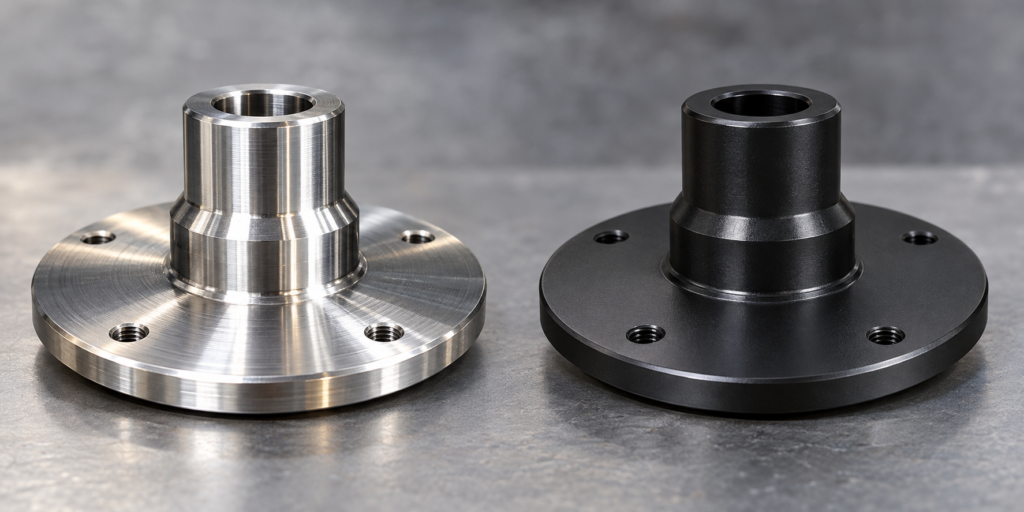
Phosphating Plating in Bhiwadi rarely fails because of one obvious mistake. It usually fails because one step in a six stage sequence got rushed, and nobody noticed until the parts were already out in the field losing their paint.
A production manager once traced an entire season of coating complaints back to a rinse tank that had not been refreshed on schedule, a detail so small it never showed up on any inspection sheet. The phosphate layer looked fine. The leftover residue underneath it did not.
Phosphating Plating in Bhiwadi works reliably only when every stage of the process gets the attention it needs, since each step sets up the one that follows it. Skipping or rushing any single stage tends to surface weeks or months later as peeling paint, early corrosion, or a coating that simply never performed the way it should have.
Phosphating Plating in Bhiwadi is something Vinita Enterprises treats as a full sequence rather than a single dip in a tank, and walking through each stage shows exactly why that distinction matters.
Step One of Phosphating Plating in Bhiwadi: Surface Cleaning Comes First
Nothing about the chemistry that follows works properly if the surface still carries oil, grease, or old scale.
Alkaline cleaners strip away contamination before the part ever approaches the phosphating bath, and this stage gets judged almost entirely on thoroughness rather than speed. A part that looks clean to the eye can still carry a thin oil film invisible enough to interfere with the reaction that comes next.
Step Two of Phosphating Plating in Bhiwadi: Surface Activation Sets Up the Reaction
A brief activation rinse, often titanium based, conditions the surface to produce finer, more tightly packed phosphate crystals once the part reaches the main bath.
Skipping this step does not stop phosphating from happening, but it does produce coarser crystals that bond paint less effectively. This is exactly the kind of stage that looks optional on a process sheet and turns out to matter enormously in testing.
Step Three of Phosphating Plating in Bhiwadi: The Phosphate Bath Builds the Coating
The part enters a zinc or manganese based phosphate solution, where a chemical reaction converts the outer layer of metal into insoluble phosphate crystals.
Bath temperature, concentration, and immersion time all need to stay within tight ranges here, since drift in any one of them changes coating weight and crystal structure in ways that only show up during later testing.
Step Four of Phosphating Plating in Bhiwadi: Rinsing Removes Reaction Byproducts
Multiple rinse stages clear away loose sludge and residual chemistry left over from the phosphating reaction itself.
This is the stage that gets overlooked most often, since a part can look perfectly finished while still carrying residue that will quietly undermine paint adhesion later. Fresh rinse water matters here far more than most process sheets acknowledge.
Step Five of Phosphating Service in Bhiwadi: Sealing Locks In the Protection
A chromate or chrome free sealing rinse fills the microscopic pores naturally present in the phosphate crystal structure, improving corrosion resistance before any topcoat goes on.
Any provider offering a genuine phosphating service in Bhiwadi should treat this stage as standard rather than optional, since skipping it saves only a small amount of time while giving up a meaningful share of the coating’s long term performance.
Step Six of Phosphating Services Bhiwadi: Testing Confirms the Result
Coating weight verification, adhesion testing, and salt spray exposure all reveal whether the previous five stages actually came together the way they were supposed to.
Providers following recognized ASTM testing methods can show documented results rather than asking a buyer to trust appearance alone. Vinita Enterprises in Bhiwadi builds this final step into every order, which is part of why manufacturers treat it as dependable phosphating plating in Bhiwadi rather than a gamble on whether the earlier stages were handled correctly.
Buyers wanting a broader technical reference on how these coatings perform can also review guidance from the National Association for Surface Finishing before finalizing a specification.
Final Thoughts
Coating failures almost never trace back to a single dramatic mistake, they trace back to one of six ordinary stages getting slightly less attention than it needed, whether that means a rinse tank running past its refresh schedule, a bath temperature drifting a few degrees out of range, or a sealing step quietly dropped to save a little processing time. Phosphating Plating in Bhiwadi only delivers the paint adhesion and corrosion resistance buyers expect when every one of these stages gets treated as essential rather than optional, since the sequence builds on itself and a weak link anywhere in the chain eventually shows up in the finished part. Manufacturers who understand this tend to ask very different questions when evaluating a provider, inquiring about rinse frequency and bath testing schedules rather than simply comparing price per part. Those who treat phosphating as a single generic dip usually discover the difference later, through flaking paint or warranty claims that trace back to a stage nobody thought to ask about. A provider who documents each stage and tests the final result consistently produces coatings that perform the same way on the five hundredth part as they did on the first, which is exactly the kind of reliability a production schedule depends on. For any operation sourcing this process at real volume, understanding the full sequence behind it is worth far more than treating every quote as interchangeable simply because the final price looks similar on paper.