
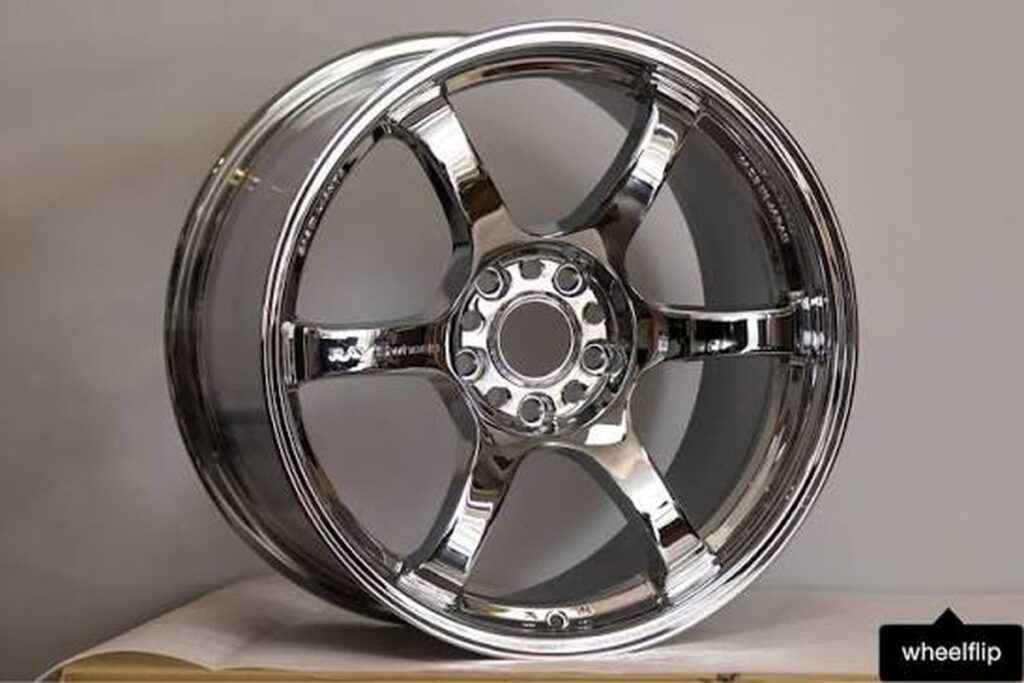
Shiny parts that turn dull, pit or rust within a few months are a common complaint in manufacturing. Moisture, handling and chemicals attack bare metal quickly, and poor finishing turns small flaws into rejected batches. Nickel chrome plating solves this by layering nickel for protection with a thin chromium top coat for hardness and shine. Corrosion costs the world economy about US$2.5 trillion every year, according to AMPP, which is why a dependable finish matters. Finishing units across Bhiwadi, including Vinita Enterprises, apply this coating on automotive, hardware and appliance components every day.
What Nickel Chrome Plating Does for Metal Parts
This finish is a layered electroplated system. The nickel layer gives the main corrosion resistance and a smooth, level base. The chromium layer, often thinner than one micron, adds a hard, bright surface that resists scratches and tarnish. Together they protect steel, brass, copper and zinc die cast parts better than either metal alone. Standards such as ASTM B456 define coating grades and thickness for different service conditions, so buyers can match the finish to real exposure instead of guessing. Choosing nickel chrome plating with the right thickness is the first step toward a long coating life.
The Nickel Chrome Plating Process Step by Step
The nickel chrome plating process follows a fixed order, and each stage protects the next one.
- Degreasing removes oil, grease and cutting fluids.
- Acid activation clears oxides and prepares the surface.
- A copper strike improves adhesion on zinc die cast and some steel parts.
- Nickel plating builds the main protective layer, bright or satin as needed.
- Chromium plating adds the thin, hard top coat.
- Rinsing, drying and inspection complete the job.
Bath temperature, current density and plating time decide the final thickness, so a controlled process gives repeatable results from batch to batch.
Why Nickel Chrome Plating Gives Hardness and Lasting Shine
Chromium is among the hardest electroplated finishes, which helps parts resist wear from handling, cleaning and friction. The nickel underneath levels tiny surface flaws, so the chrome looks mirror bright. The finish cleans easily, holds its colour and does not dull the way many paint or lacquer coatings do. For parts people touch daily, such as handles, taps and fittings, this mix of hardness and shine is a major reason designers choose nickel chrome plating over cheaper coatings.
Where Nickel Chrome Plating Is Used Across Industries
This finish suits parts that need both looks and durability. Common uses include:
- Automotive trims and bumpers
- Motorcycle and bicycle parts
- Bathroom taps and fittings
- Furniture and door hardware
- Appliance panels and knobs
- Hand tools and fixtures
Parts that face humidity, regular touch or frequent cleaning gain the most from the coating.
Nickel Chrome Plating Process Mistakes That Cause Defects
Most defects start with small shortcuts. Weak cleaning leaves a film that blocks adhesion, and blistering or peeling follows. Uneven nickel thickness leads to dull patches and early corrosion. Running current too high burns edges and creates rough deposits. Poor rinsing carries contamination from one tank to the next and stains the finish. A well managed nickel chrome plating process depends on trained operators, regular bath analysis and inspection at every stage, not just at the end.
Choosing a Nickel Chrome Plating Partner
Ask direct questions before handing over a batch. How often are the baths analysed? Does the shop run salt spray tests, and what hours do they report? Can they offer bright and satin options? Do they check thickness on every lot? The NASF publishes useful guidance on finishing quality that helps buyers judge a supplier. Location also matters. For manufacturers in the Bhiwadi and NCR belt, a nearby plater cuts transit time and makes rework easier. You can see the finishing range at Vinita Enterprises.
Final Thoughts on Nickel Chrome Plating
Every coating decision comes down to one question: how long should the part look and work like new? Nickel chrome plating answers that well because it joins corrosion protection, hardness and a clean bright finish in a single system. The nickel base shields the metal and smooths the surface, and the chromium top coat takes the daily wear. When the nickel chrome plating process is run with proper cleaning, steady current and regular bath checks, the finish stays bonded and consistent from the first piece to the last. Most failures trace back to basic issues such as weak surface preparation, uneven thickness or rushed rinsing, so buyers do well to ask about those details early. Share the part drawing, the working environment and the expected service life with your plater, then ask for a clear thickness and salt spray recommendation. That short conversation prevents most rework and rejected lots. It also helps to request sample pieces for approval before a full batch begins, because a visual check and a thickness reading on a sample catch problems cheaply. Local capacity matters as well. A finishing partner close to your production unit shortens transit time, speeds up corrections and keeps delivery schedules steady. Whether you make automotive trims, bathroom fittings, furniture hardware or appliance parts, a well controlled finish raises the quality your customers see and feel. If your components need a durable and attractive surface, nickel chrome plating handled by an experienced team is a practical choice that protects your product and your reputation for years.