
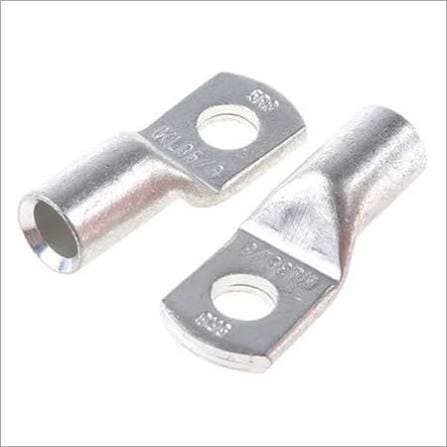
Copper connectors look fine in storage, then start showing dull spots and oxidation within months once they are actually put to use. By the time anyone notices, solder joints are already struggling to form properly, and rejected batches start piling up on the line.
For manufacturers working with electrical components, connectors, and fasteners, that kind of surface degradation is not a minor inconvenience. It shows up as failed continuity tests, weak solder bonds, and returns that eat straight into production timelines.
Best Tin Plating in Bhiwadi exists to prevent exactly this. A thin, even layer of tin gets deposited onto the base metal, protecting it from oxidation while keeping the surface solderable and electrically conductive for far longer than untreated copper or brass ever could.
Component failures tied to poor surface finishing account for a meaningful share of electronics manufacturing defects industry wide, and much of that risk disappears with proper plating. Getting Best Tin Plating in Bhiwadi right at the finishing stage removes one of the more common causes of rework before it ever becomes a problem.
Vinita Enterprises, based in Bhiwadi, has built a name among manufacturers who need this kind of finishing done consistently across large batches.
Why Best Tin Plating in Bhiwadi Matters for Your Business
Copper and brass oxidize quickly once exposed to air and humidity. That oxide layer might look harmless, but it interferes with solderability and electrical conductivity almost immediately.
Best Tin Plating in Bhiwadi puts a stable, corrosion resistant barrier over the base metal, keeping the surface clean and functional for much longer. This matters most for electrical connectors, PCB components, and fasteners that need reliable performance over time.
Manufacturers supplying electronics, automotive wiring, or precision hardware all deal with the same underlying risk, a surface that degrades before the product ever leaves the warehouse.
How Best Tin Plating in Bhiwadi Works
Cleaning comes first, same as with most plating processes. Any oil, oxidation, or contamination on the surface has to go before the tin layer can bond properly.
The part is then placed in a tin plating bath, and an electric current deposits a thin, even layer of tin across the surface. Thickness varies depending on the application, with thicker coatings used where mechanical wear is a bigger concern.
A reflow step sometimes follows, which melts the tin briefly to create a smoother, brighter, and more uniform finish. From there, parts are rinsed, dried, and inspected before moving on to assembly or shipment.
Key Benefits of Best Tin Plating in Bhiwadi
Excellent Solderability Tin coated surfaces accept solder cleanly, which matters enormously for electrical and electronic assembly work.
Strong Corrosion Resistance The tin layer protects copper and brass from oxidation that would otherwise degrade performance over time.
Non Toxic and Food Safe Tin plating is commonly used on food contact surfaces because of its low toxicity compared to other metals.
Good Conductivity Tin maintains solid electrical conductivity, making it a practical choice for connectors and terminals.
Cost Effective Finish Compared to gold or silver plating, tin offers strong performance at a fraction of the material cost.
Industries That Rely on Best Tin Plating in Bhiwadi
Electronics manufacturers depend on it for connectors, terminals, and PCB components that require reliable solder joints. Automotive wiring harnesses and electrical fittings use it as well.
Food processing equipment often relies on tin plating for its low toxicity. Across each of these industries, the same core need applies, a stable, corrosion resistant surface that performs consistently over time.
Best Tin Plating in Bhiwadi Compared to Other Methods
Nickel plating offers better wear resistance but does not solder as easily as tin. Gold plating solders and conducts extremely well but comes at a cost most manufacturers cannot justify for high volume parts.
Best Tin Plating in Bhiwadi sits in a practical middle ground, strong solderability, solid corrosion resistance, and a price point that works for large scale production runs where cost per unit actually matters.
Choosing the Right Partner for Best Tin Plating in Bhiwadi
Bath control and plating thickness consistency separate a good provider from an average one. Look for a partner who tests adhesion and solderability rather than one who simply applies a coating and calls it finished.
In Bhiwadi, Vinita Enterprises has earned a reputation for delivering Best Tin Plating in Bhiwadi with the kind of consistency manufacturers need for repeat production orders.
Working with an experienced provider reduces defect rates downstream and helps ensure components perform reliably once they reach final assembly.
Final Thoughts
Surface degradation on copper and brass components rarely announces itself until a solder joint fails or a connector stops conducting the way it should, and by then the cost of fixing it has already multiplied several times over. Best Tin Plating in Bhiwadi addresses this early, giving electrical and mechanical components a stable, corrosion resistant surface that holds up through storage, handling, and years of actual use in the field. This is not a cosmetic upgrade, it is functional protection for parts that manufacturers have already invested real time and money into producing correctly, and skipping it usually just delays the cost rather than avoiding it. A provider who controls plating thickness, bath chemistry, and testing carefully produces a finish that performs consistently across every batch rather than one that varies unpredictably from run to run. Manufacturers who build reliable tin plating into their process from the start tend to see fewer rejected components and fewer complaints once products reach customers who expect consistent performance over years of use. For any operation working with electrical connectors, fasteners, or precision hardware at scale, this remains one of the more practical investments available, quietly preventing a category of failure that costs far more to address after the fact than it ever would to prevent early.