
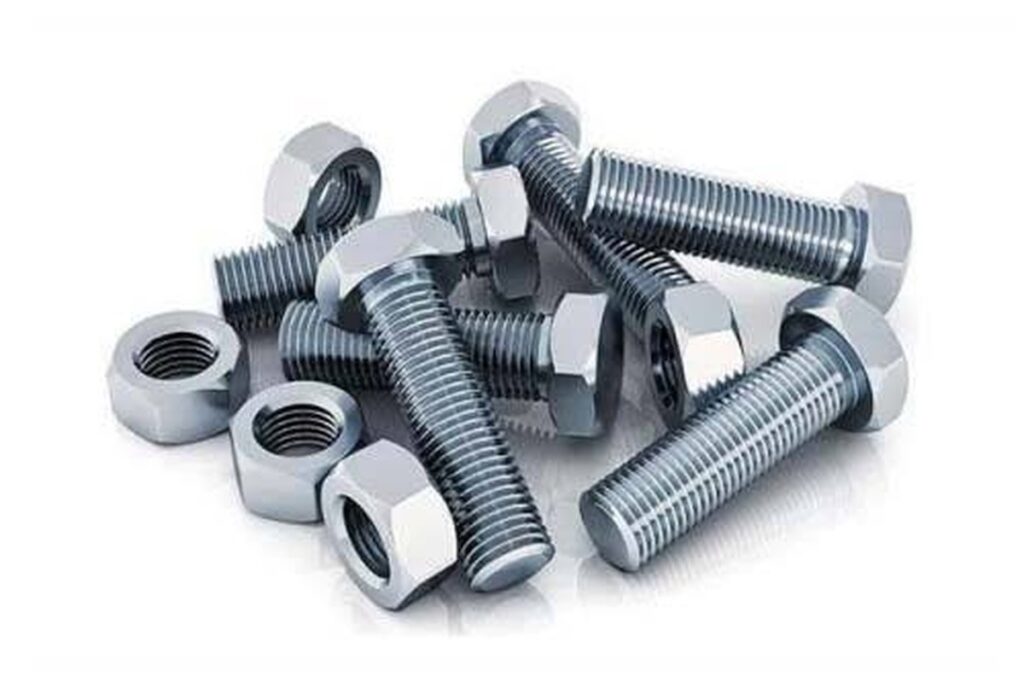
Rust works quietly on metal parts long before anyone sees a failure. Fasteners seize, brackets weaken, and whole batches get rejected at inspection. Corrosion costs the global economy an estimated US$2.5 trillion every year, close to 3.4 percent of world GDP, according to AMPP. Alkaline zinc plating solves much of this by putting a smooth, even zinc layer on steel that gives up its own surface first to protect the metal underneath. Modern zinc electroplating has also moved toward cyanide free alkaline baths, and finishing units across Bhiwadi, including Vinita Enterprises, rely on this method for steady results on everyday components.
What Alkaline Zinc Plating Actually Does to a Metal Surface
Alkaline zinc plating deposits a thin zinc coating on steel from an alkaline electrolyte, usually built on sodium hydroxide and dissolved zinc. The zinc works as a sacrificial barrier. If the coating gets scratched, the zinc corrodes first and the steel stays protected. That is why zinc electroplating is so common on nuts, bolts, clamps and stamped parts. The industry reference for this coating is ASTM B633, which sets thickness classes and service conditions for zinc on iron and steel.
How the Alkaline Zinc Plating Process Works Step by Step
The alkaline zinc plating process follows a fixed order, and each step affects the next one.
- Degreasing removes oil, grease and cutting fluids.
- Acid pickling clears rust and scale.
- Rinsing stops contamination from carrying into the bath.
- Plating happens in the alkaline bath, where current moves zinc onto the part.
- Passivation adds a thin conversion layer that improves corrosion life.
- Drying and inspection finish the job.
Plating time and current density decide how much zinc builds up, so both need close control.
Why Zinc Electroplating Gives Better Thickness Control
Zinc electroplating lets a shop choose the coating thickness instead of accepting whatever the process leaves behind. Alkaline baths have strong throw power, which means zinc reaches recesses, threads and edges more evenly than many acid baths. Typical deposits fall between 5 and 25 microns depending on the job. Uniform coverage matters because a thin patch on a thread root is usually where rust starts first. For high tensile steel, a baking step after plating helps release trapped hydrogen and protects the part from brittleness.
Where Alkaline Zinc Plating Performs Best
Alkaline zinc plating suits parts with complex shapes, deep holes and fine threads. Common uses include:
- Automotive fasteners and clips
- Electrical enclosures and panels
- Construction hardware and fittings
- Agricultural tool components
- Hinges, brackets and washers
Parts that face moisture, mild chemicals or regular handling gain the most from this coating.
Alkaline Zinc Plating Process Mistakes That Cause Coating Failure
Most coating failures come from small shortcuts. Weak cleaning leaves a film that stops zinc from bonding, and peeling follows. An unbalanced bath gives dull, patchy or burnt deposits. Running current too high creates rough edges and poor adhesion. Skipping passivation shortens corrosion life sharply. Skipping the baking step on hardened parts risks hydrogen damage. A reliable alkaline zinc plating process depends on regular bath testing and trained operators rather than guesswork.
Choosing a Zinc Electroplating Partner
Ask direct questions before handing over a batch. How often is the bath analysed? Do they run salt spray tests, and what hours do they report? Which passivation options are offered? Can they trace each lot? The NASF publishes useful guidance on finishing quality that helps buyers judge a shop. Local capacity and turnaround matter too. For manufacturers in the Bhiwadi and NCR belt, a nearby plater cuts transit time and makes rework easier. You can see the finishing range at Vinita Enterprises.
Final Thoughts on Alkaline Zinc Plating
Choosing a coating is really a decision about how long a part will keep doing its job. Alkaline zinc plating earns its place because it balances cost, coverage and protection without the handling risks of older cyanide baths. It reaches into threads and corners, it gives a clean and consistent finish, and it works across automotive, electrical, construction and agricultural parts. When the alkaline zinc plating process is run with proper cleaning, a balanced bath and correct passivation, the result is a coating that holds up through months of moisture, handling and transport. Zinc electroplating also gives engineers control over thickness, so they can match the coating to the exposure instead of overspending on every part. The biggest gains come from the basics: clean surfaces, steady current, regular bath checks and honest testing. Buyers who ask about those details usually end up with fewer rejections and fewer complaints from their own customers. Before your next order, share the part drawing, the working environment and the expected service life with your plater, then ask for a clear thickness and salt spray recommendation. A short conversation at that stage saves far more than it costs. If your components need dependable corrosion protection, alkaline zinc plating handled by an experienced finishing partner is a practical choice that keeps production moving and products lasting longer.