
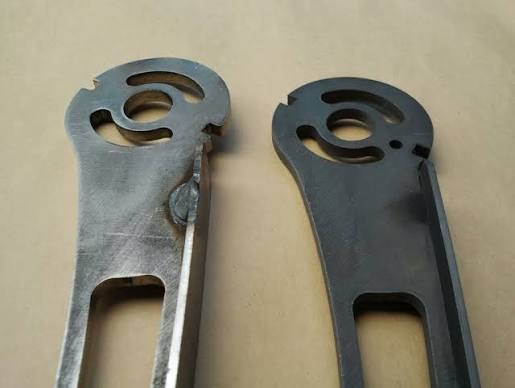
Zinc Phosphating Bhiwadi is often the first thing a buyer asks for, and sometimes it is exactly the wrong thing. A manufacturer sends a batch of bolts for the coating that worked on last year’s brackets, and the bolts come back looking fine but galling in assembly. Same chemistry word, different job.
That mix up happens because phosphating sounds like one process. It is really a family of coatings, and the right one depends on what the part has to survive. Paint adhesion, sliding wear, oil retention and corrosion resistance all pull in different directions.
Zinc Phosphating Bhiwadi covers the biggest share of everyday work, giving steel parts a fine crystal surface that grips paint and slows rust. Industry coating failure reviews keep tracing paint peeling back to surface preparation, not the paint itself, which is why the choice of phosphate matters more than most buyers expect.
Manganese Phosphating Bhiwadi and Phosphating for Fasteners Bhiwadi are the two requests that most often need a second look, and Vinita Enterprises walks clients through that choice before a single part goes into the tank.
Rule One: Use Zinc Phosphating Bhiwadi When Paint Is the Next Step
If a part is headed for paint or powder coat, zinc phosphate is usually the right call. It builds a fine, tight crystal layer that paint grips far better than bare steel.
It also adds modest rust protection on its own, which helps during storage and transit between the plating shop and the paint line. Skip it and paint adhesion becomes a gamble, one that tends to lose weeks or months after the part ships.
Rule Two: Choose Manganese Phosphating Bhiwadi When Parts Rub Against Each Other
Manganese phosphate is heavier and darker, and it holds oil in its crystal structure. That makes it the go to coating for gears, pistons, and anything that slides or rubs under load.
The oil film cuts friction and helps parts bed in without scoring each other. Zinc phosphate can do some of this, but where wear is the main concern, manganese phosphating in Bhiwadi is the stronger option.
Rule Three: Treat Phosphating for Fasteners Bhiwadi as Its Own Category
Fasteners add two complications that flat panels do not have, threads and, often, high strength steel.
Any phosphate layer adds a little thickness, and a heavy coating on a fine thread can throw off the fit. Hardened fasteners also need care in the pickling stage, and a bake afterward is sometimes specified. A provider who treats bolts like sheet metal is skipping questions that matter.
Rule Four: Match Coating Weight to the Job
Coating weight, measured in grams per square meter, is the number that separates a light paint base from a heavy wear coating.
Light zinc coatings suit paint. Heavier manganese coatings suit sliding contact and oil retention. Asking for a weight range in writing, instead of just a coating name, is the easiest way to avoid getting the right chemistry at the wrong thickness.
A fastener that needs light oil retention and a bracket that needs a paint base can both be called phosphated, yet they need very different numbers on the spec sheet. Writing the range down also gives both sides something concrete to test against when a batch comes back.
Rule Five: Verify Before You Order Zinc Phosphating Bhiwadi
Ask how coating weight gets measured, and whether adhesion and salt spray results are available for a recent batch. A provider following recognized ASTM corrosion test methods can usually show documented numbers.
Ask whether a sealing rinse is included. Sealing closes the tiny pores in the phosphate coating and improves corrosion resistance, and it is the line item that quietly disappears from the cheapest quotes.
Rule Six: Pick a Partner Who Asks About the Part
The best sign of a good phosphating shop is the questions it asks. What metal is it, what happens next, how will it be used.
Vinita Enterprises in Bhiwadi asks those questions up front, then matches zinc or manganese chemistry to the answer. Process guidance from the National Association for Surface Finishing is also a useful reference when you are writing a specification.
Final Thoughts
Most phosphating problems are not caused by bad chemistry, they are caused by good chemistry applied to the wrong job. A zinc coating on a part that needed wear resistance, a heavy manganese layer on a fine thread, a sealing step dropped to hit a price, each one looks fine when the parts leave the shop and shows up later as galling, peeling or early rust. Zinc Phosphating Bhiwadi does its best work as a base for paint, and manganese does its best work where parts slide and need to hold oil, so the first decision is simply what the part has to do after it leaves the tank. Fasteners deserve their own conversation, because thread fit and high strength steel change what a safe coating looks like. Manufacturers who specify coating weight, ask about sealing, and request test results tend to get parts that behave the same in the field as they did on the bench. Those who just ask for phosphating and compare price per kilo usually find out the difference through a return shipment. A shop that asks about the part before it quotes is telling you how it will treat the work. For any operation sending steel parts out for finishing, that conversation is worth more than any discount.