
An assembly line supervisor once pulled a tray of connectors for final testing and found nearly a fifth of them failing continuity checks. Every part had passed inspection weeks earlier when it left the plating shop, so something had clearly gone wrong in between.
That something was oxidation, the kind that creeps into copper and brass the moment untreated parts sit in storage or humid conditions for even a short stretch of time. Once that oxide layer forms, solder joints stop forming cleanly and electrical connections stop being reliable.
Best Tin Plating in Bhiwadi solves this before it ever becomes a production problem. A thin, even layer of tin covers the base metal, keeping the surface solderable and conductive long after untreated copper or brass would have already started breaking down.
Electronics manufacturers report that a significant share of assembly line rejects trace back to poor surface finishing rather than component defects themselves, and getting Best Tin Plating in Bhiwadi right at the finishing stage removes one of the more preventable causes of that waste. It also protects the reputation that comes from parts working the way customers expect them to.
Vinita Enterprises in Bhiwadi has spent years earning trust from manufacturers who cannot afford inconsistent plating on components headed into sensitive electrical assemblies.
Why Best Tin Plating in Bhiwadi Matters for Electronics Work
Copper and brass start oxidizing almost immediately once exposed to air, and that oxide layer is invisible enough to slip past a quick visual check.
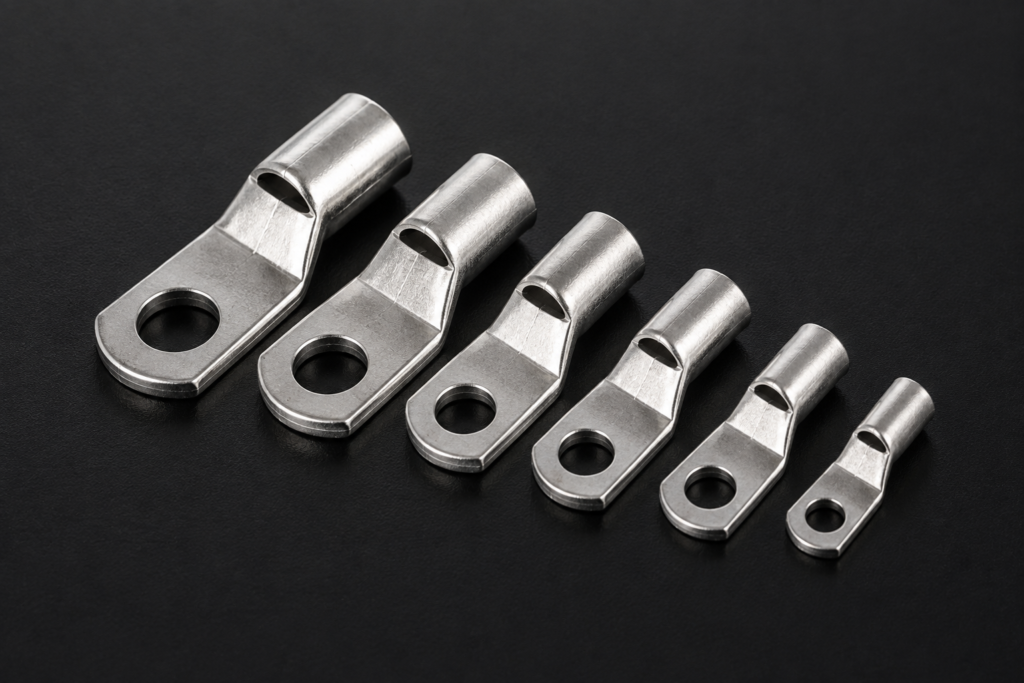
Best Tin Plating in Bhiwadi puts a stable barrier over the base metal, protecting solderability and conductivity for months or years rather than days or weeks. This matters most for connectors, terminals, and PCB components that need dependable performance long after they leave the plating shop.
Manufacturers supplying automotive wiring, consumer electronics, or industrial control systems all face the same underlying risk, a surface that quietly degrades before the finished product ever reaches a customer.
How Best Tin Plating in Bhiwadi Gets Done
Every part starts with a thorough cleaning, stripping away oil, oxidation, and contamination so the tin layer can bond correctly from the first step onward.
The cleaned part then goes into a tin plating bath, where an electric current deposits a smooth, even layer of tin onto the surface. Thickness varies by application, with heavier coatings reserved for parts facing more mechanical wear during handling or assembly.
A reflow step often follows, briefly melting the tin to create a brighter, more uniform surface. Rinsing, drying, and final inspection close out the process before parts move on toward assembly.
What Manufacturers Gain from Best Tin Plating in Bhiwadi
Reliable solderability sits at the top of the list, since tin coated surfaces accept solder cleanly and consistently, which matters enormously once parts reach the assembly line. Corrosion resistance follows close behind, protecting copper and brass from the oxidation that would otherwise compromise performance over time.
Cost also plays a real role here. Compared to gold or silver plating, Best Tin Plating in Bhiwadi delivers strong solderability and conductivity at a fraction of the material cost, which matters enormously for manufacturers running high volume production. Food safe applications benefit too, since tin carries low toxicity compared to several alternative finishing metals.
Industries Leaning on Best Tin Plating in Bhiwadi
Electronics manufacturers depend on it for connectors, terminals, and circuit board components where solder joints determine whether a product actually works. Automotive wiring harnesses and electrical fittings use it just as heavily, given how much they depend on stable, long lasting connections.
Food processing equipment often specifies tin plating for its low toxicity on surfaces that contact consumables. Across every one of these industries, the underlying need stays consistent, a finish that performs reliably no matter how long a part sits in storage before use.
Best Tin Plating in Bhiwadi Compared to Other Finishes
Nickel plating holds up better against mechanical wear but does not solder nearly as cleanly as tin does. Gold plating solders beautifully and conducts extremely well, but the cost puts it out of reach for most high volume manufacturing runs.
Best Tin Plating in Bhiwadi lands in a practical middle ground, offering strong solderability, solid corrosion resistance, and pricing that actually works for large scale production where cost per unit genuinely matters.
Choosing a Partner for Best Tin Plating in Bhiwadi
Bath control and coating thickness consistency separate a dependable provider from one that only looks reliable on paper. A serious partner tests adhesion and solderability regularly rather than assuming a coating is fine simply because it went through the bath.
In Bhiwadi, Vinita Enterprises has built a name for delivering Best Tin Plating in Bhiwadi with the consistency manufacturers need across repeat production orders. Standards from organizations like IPC also give manufacturers a useful benchmark when evaluating whether a plating provider’s solderability testing actually meets industry expectations.
Working with an experienced provider reduces defect rates downstream and helps ensure components perform reliably once they reach final assembly.
Final Thoughts
Surface degradation on copper and brass rarely announces itself until a solder joint fails or a connector stops conducting the way it should, and by that point the cost of fixing it has already multiplied several times over into rework, delays, and damaged trust with the client waiting on the finished product. Best Tin Plating in Bhiwadi addresses this early, giving electrical and mechanical components a stable, corrosion resistant surface that holds up through storage, handling, and years of actual field use without quietly losing performance along the way. This is not a cosmetic upgrade, it is functional protection for parts that manufacturers have already invested real time and money into producing correctly, and skipping it usually just delays the cost rather than avoiding it altogether. A provider who controls plating thickness, bath chemistry, and testing carefully produces a finish that performs consistently across every batch rather than one that varies unpredictably from run to run depending on how closely anyone happened to be watching. Manufacturers who build reliable tin plating into their process from the very start tend to see fewer rejected components and fewer complaints once products reach customers who expect consistent performance over years of everyday use. For any operation working with electrical connectors, fasteners, or precision hardware at scale, this remains one of the more practical investments available, quietly preventing a category of failure that costs far more to address after the fact than it would ever cost to prevent from the beginning.